House Training German Shepherds

October 10th, 2008

Potty training, or housebreaking, your German Shepherd puppy will be much easier than you might expect. German Shepherds are very smart, and they’re not as stubborn as some smart breeds, so they’re easy to train. 

Your pup may have a few “issues” at first, but this is only because he’s a puppy, and puppies have accidents when they’re learning where to go to the bathroom. They can’t just say, “I gotta go,” and don’t know how to let you know (or that they should let you know), so they have accidents. But proper training will break that pattern of accidents and leave you with a potty-trained pup.

The first rule in potty training is no punishment. In recent years most people have started to realize that punishing a pup, particularly for something like peeing in the floor, doesn’t do any good. It can also cause aggression in later life, and can make your potty training task more difficult. So no punishment, ever.

The best way to start potty training your pup is crate training. Your dog will love his crate; many people think it’s cruel to use a crate, but it’s not. Dogs need space and they need to know where their space is. 

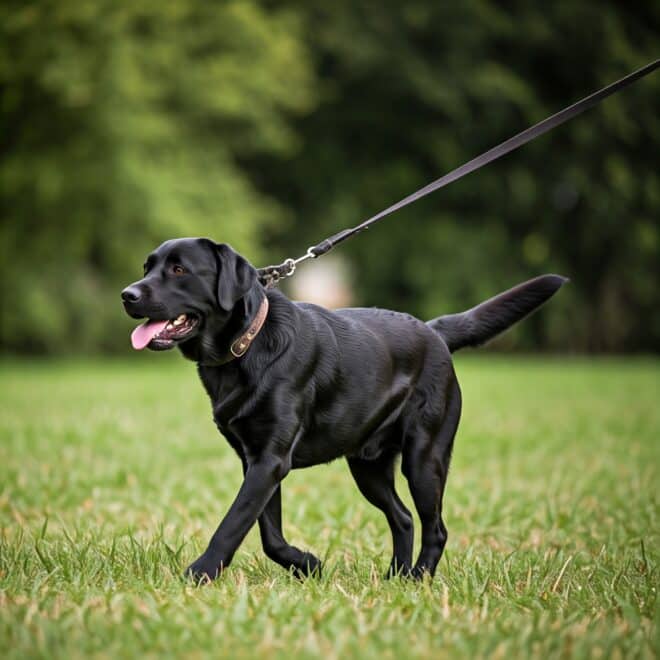
Crate your dog when you’re not at home, or at night. When you’re home and awake, keep your puppy with you, on a leash, and watch him carefully. When he acts like he needs to go outside, take him out and praise him when he goes. Signs of “I need to go out” include circling and sniffing.

In addition to the crate training, you need to feed your pup at the same time every day, so his system gets used to the routine, and you’ll know when he needs to go out. Feeding him and then taking him out a few minutes later will help him learn what to do and where.

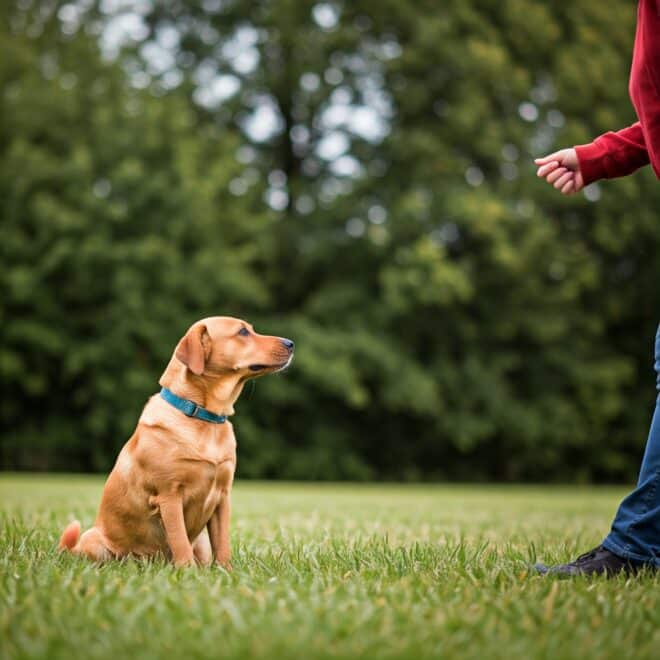
Keep in mind that this takes a lot of your time, up front, and a lot of patience. You may be taking your pup out, and praising him for going, every hour or more often. But you will be rewarded with a housebroken puppy who will become a dog who loves you and does what you teach him to do, because you’ve taken the time to train him well and give him the time and space to learn on his own terms.

German Shepherds Hip Problems

October 8th, 2008

If you have or are considering having a German Shepherd puppy or dog, you are probably aware that this breed can have a tendency to hip problems. In fact, if you got your pup from a breeder, you probably got some information about hip problems in the pup’s lineage. Even if your pup has a good lineage and is not “expected” to develop hip dysplasia, be aware that it can happen.

Big dogs often have hip problems. It’s a problem that comes with their genes, as large dogs, and that is somewhat increased by their environment. Domestic dogs often live lives that contribute to hip dysplasia. It’s no one’s fault; it’s just a fact of life for large canines.

Hip dysplasia is not arthritis, but the pain is probably similar. In hip dysplasia, the bones in the hip joint do not “fit” correctly. They rub on each other. The body tries to create more cartilage to fix the problem in the hip, but of course this does not work. Not only does the cartilage not help, but the excess cartilage restricts the range of motion and makes the problem worse. Eventually the dog starts to have pain when she moves her legs, and her range of motion gets smaller because of the pain. 

Dysplasia can occur in the front legs (in which case it’s not in the hips), but is most often seen in the hips. And there’s not much you can do to help your dog. Your vet will prescribe anti-inflammatory and pain medications, which help somewhat. Some vets recommend hip replacement, but this usually leaves the dog feeling worse overall than before, and most dog parents opt to not have hips replaced. 

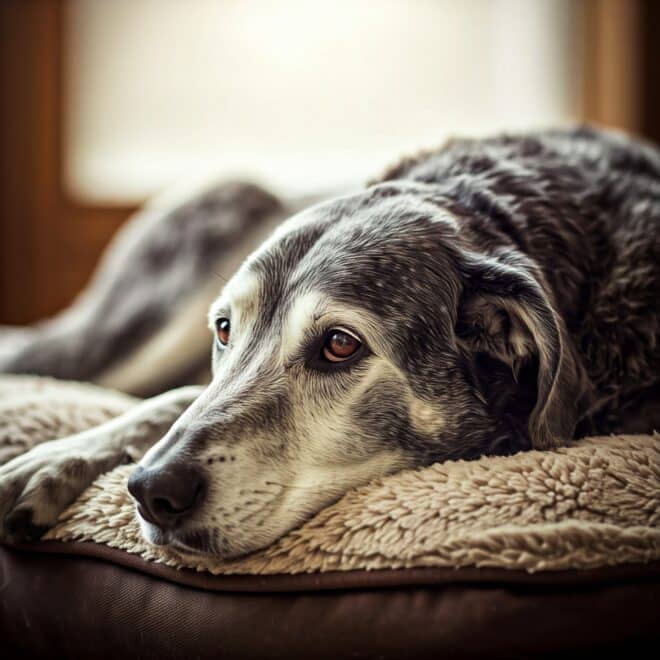
If your dog develops hip dysplasia, you may not know it for a while. German Shepherds are generally quiet about pain, and do not yelp like other dogs. If they let you know they’re in pain, it’s very severe pain or it surprised them. 

If your dog starts dragging a leg, or seems to have difficulty doing certain things, like getting up or climbing steps, then you should have his hips checked. But if he refuses to walk or suddenly sits down and refuses to move, you need to get him to the vet immediately, because that shows your dog is in extreme pain.

While there is not much you can do to help with hip dysplasia, and nothing can prevent it, knowing the symptoms can help you give your pup as much relief as possible.